
Case study
More enquiries were not the goal. Better ones were.
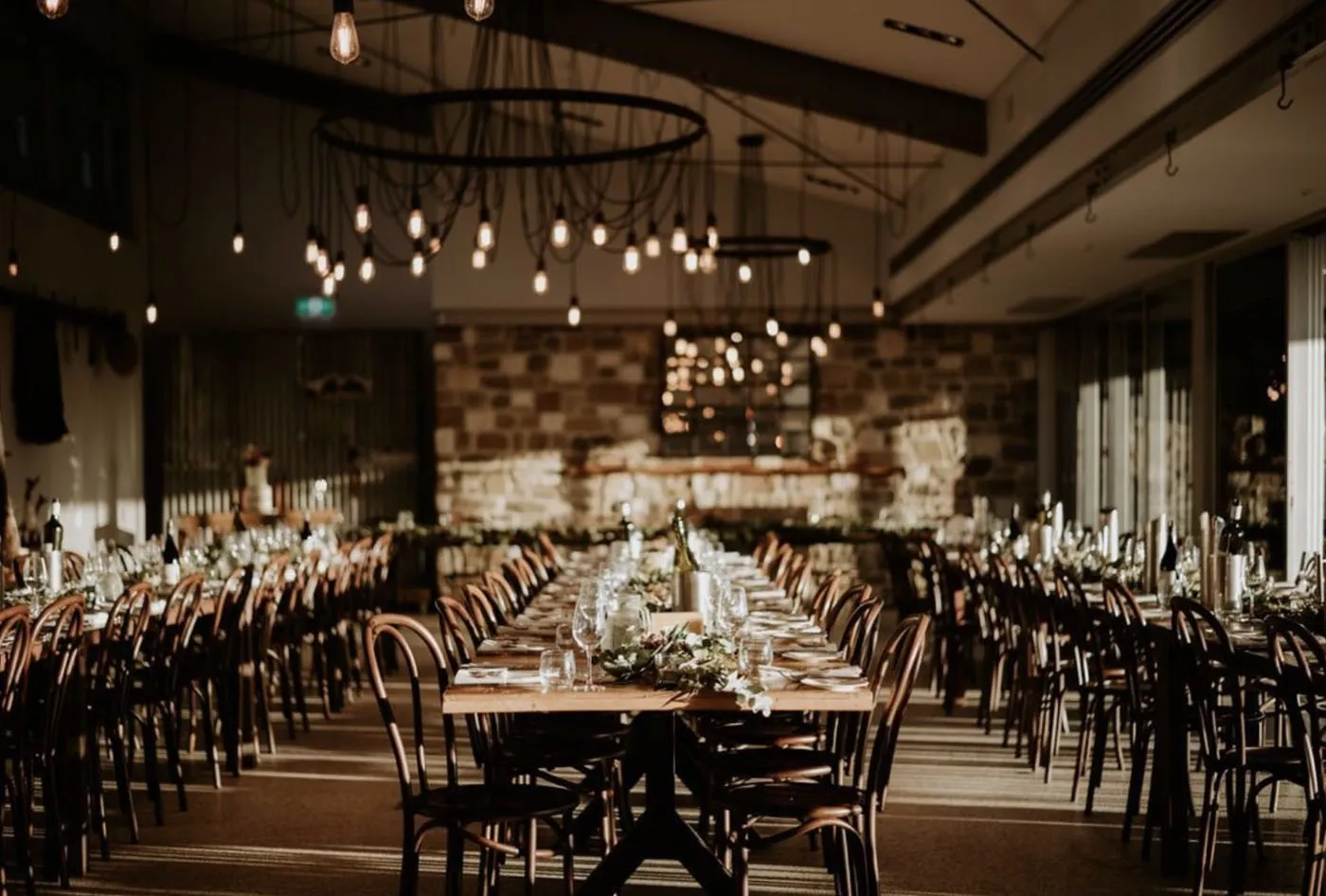
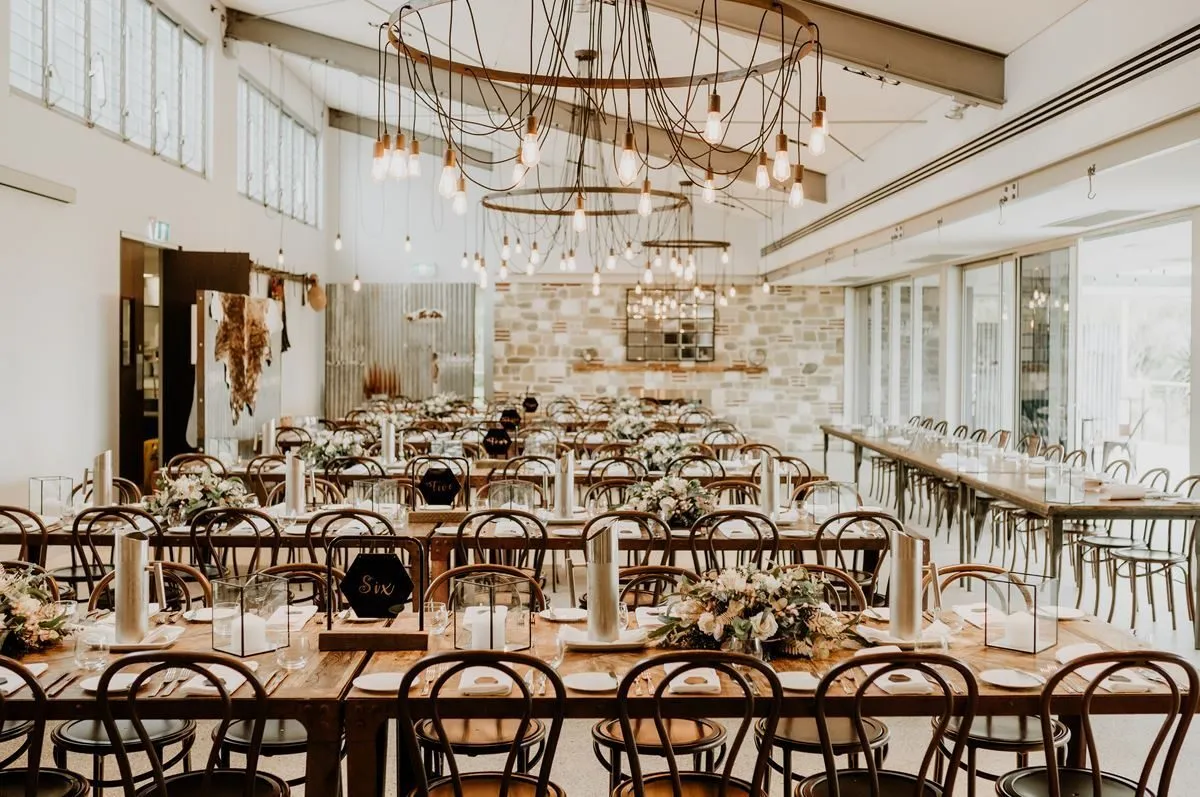
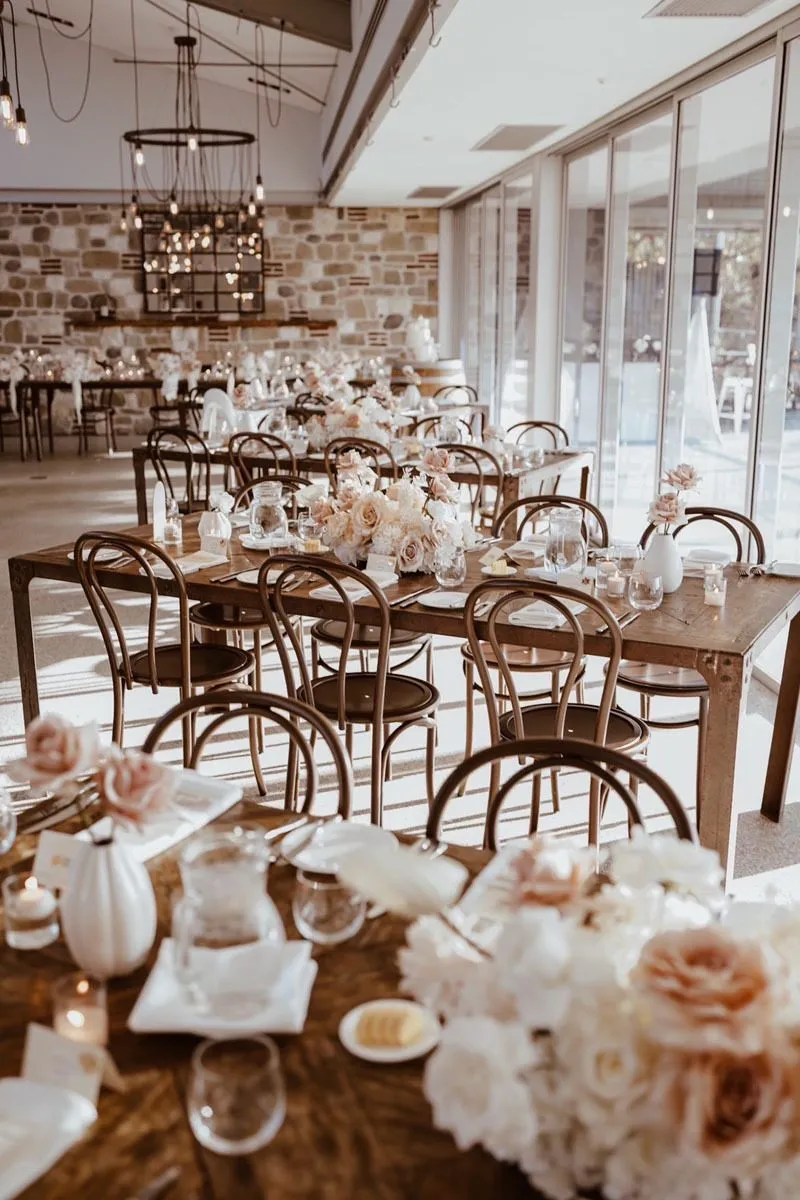
The Springs is a wedding and reception venue drawing couples from Sydney, the Central Coast and the Hunter. The same venue was competing across three source markets, each with different competition, price expectations and travel considerations, and broad targeting was attracting too many low-value enquiries. We rebuilt the programme around a harder filter, then extended the same discipline to golf.
The challenge
Wedding search is expensive because intent is high and competition is intense. For The Springs, geography amplified the problem. A couple in Sydney evaluating a destination venue is making a different decision from someone living on the Central Coast, and a Hunter couple faces another set of travel, competition and price considerations again.
The answer was not to buy more wedding clicks. It was to become much more selective about which demand deserved budget.
The venue did not need every couple searching for a wedding venue. It needed the right ones.
- Low-quality enquiries were consuming the venue team's sales capacity
- Cost per lead was too high to scale confidently
- Regional performance was obscured when viewed as one blended market
- Weddings were carrying most of the commercial load
- The golf course was an underused second revenue opportunity
The result
The programme became more valuable because it became more selective.
Both headline figures cover the combined wedding and golf programmes over the 12-month engagement. The return was as much a result of filtering and allocation as it was advertising.
- 34:1
- Return on ad spend Blended, wedding and golf, 12-month engagement
- +1,142%
- Event revenue 12-month engagement, wedding and golf
- 3
- Independently managed regions Sydney, Central Coast, Hunter
- 2
- Paid-search revenue streams Weddings and golf
The insight
A 34:1 return starts with what you choose not to buy.
The biggest efficiency gain did not come from finding more people. It came from filtering harder: high-intent couples from casual venue browsers, valuable regional demand from expensive noise, markets that could take more budget from those that could not, and later, wedding demand from a second opportunity sitting in the same venue.
The account became more profitable because we got clearer about which demand was worth paying for before the click happened.
The strategy
Tighten the intent. Separate the markets. Find the next revenue opportunity.
- Buy less, better demand.The wedding programme was rebuilt around high-intent venue and reception searches, with low-value and price-led queries filtered more aggressively. The aim was not maximum search volume. It was to put budget behind people already showing stronger venue intent.
- Let each region stand on its own.Sydney, the Central Coast and the Hunter were separated into distinct campaign structures, which made the programme readable. Each region could be assessed against its own competition, CPC environment, conversion behaviour and return instead of disappearing inside one average, and budget could follow the markets actually paying back.
- Add another way for the venue to earn.Once the wedding programme was operating efficiently, we extended paid search into golf bookings. The golf course had not been actively marketed as a separate paid-search revenue stream. Rather than diluting the wedding programme, it became a parallel campaign serving a different use of the same venue and contributing to the blended 34:1 return.
The structure
One venue. Three source markets. Two revenue streams.
Weddings
- Sydney · Central Coast · Hunter
- Filtered for high-intent venue searches
- Wedding enquiries
Golf
- Sydney · Central Coast · Hunter
- Golf-course demand
- Golf bookings
Both streams contribute to the 34:1 blended return on ad spend.
I went in expecting another agency pitch deck. What I got was a P&L conversation, a clear ROAS target, and a paid search engine that delivered against it. 34:1 ROAS is not something I thought possible from Google Ads.
 Jill SeckoldGeneral Manager, The Springs
 What we did
Wedding search. Rebuilt paid search around higher-intent wedding and reception queries, removed low-value budget-led searches and tuned bidding towards lead value rather than click volume.
Regional campaign structure. Separated Sydney, Central Coast and Hunter demand so each source market could be evaluated and optimised independently, with budget reviewed against regional return.
Landing experience. Aligned paid traffic with a clearer wedding-research journey: strong venue presentation followed by an uncomplicated enquiry path.
Golf acquisition. Built a second paid-search programme around golf-course demand across the same three source regions, creating another revenue stream without weakening the wedding focus.
The takeaway
Growth did not come from buying more attention.
The Springs had one physical venue, but paid media did not need to treat its demand as one market or one product. We separated the three source regions, filtered wedding demand more aggressively and let investment follow actual return. Then the same discipline was extended to golf, giving the venue a second paid-search revenue stream.
The programme got bigger only after it got more selective.
More work
 Retail The Good Feet Store Regional performance managed independently across multiple catchments. Paid search & media
  eCommerce Hobbies Direct Paid investment allocated around commercial value and scalable economics. Search strategy & intelligence · Paid search & media · SEO & search performance · Data, measurement & insights